




Explore the concepts of "free will", "destiny", and whether we can ever be truly free.

Book a transformative session with an experienced holistic wellness Guide.


Lisa
$10 · 60min session


Suhas
$40 · 45min session

Suhas
$60 · 90min session

Suhas
$50 · 60min session

Marni
$45 · 45min session


Jerry
$25 · 60min session

Suhas
$50 · 60min session


Kristina
$49 · 60min session
"The shaman no longer looks for meaning in life, but brings meaning to every situation. The shaman stops looking for truth and instead brings truth to every encounter." — Alberto Villoldo
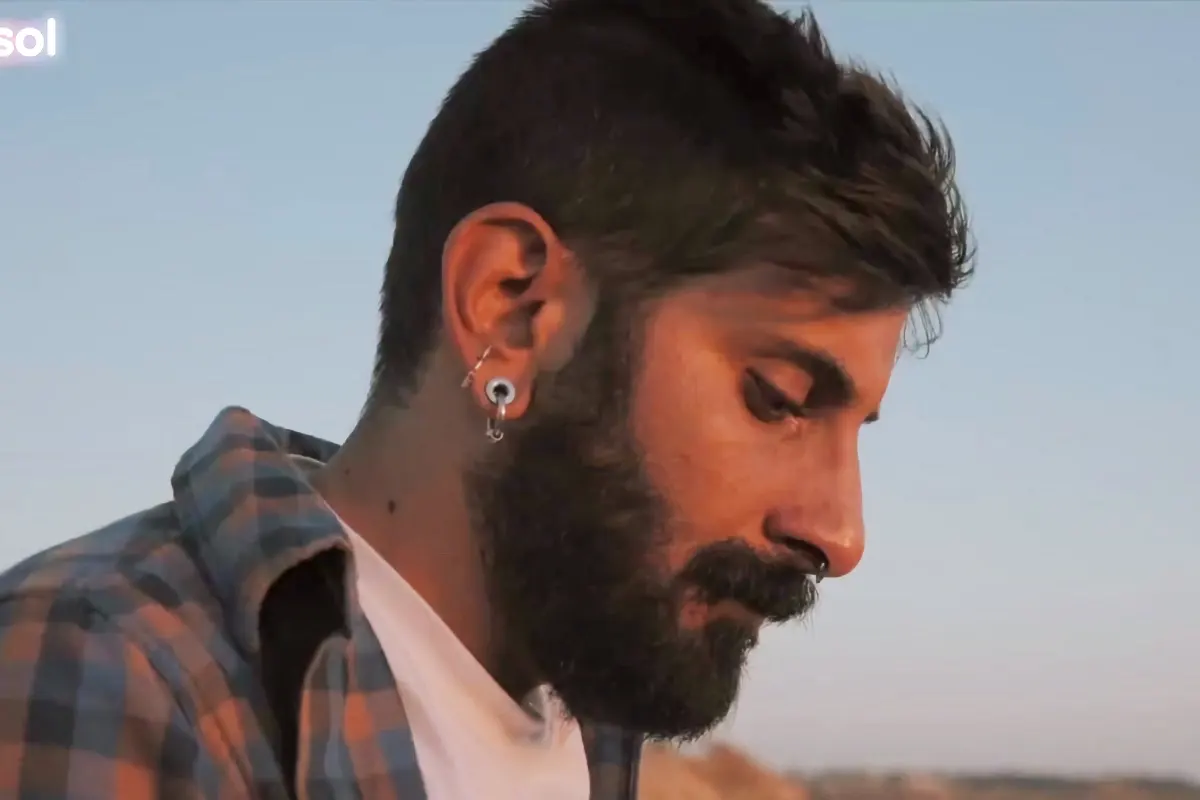


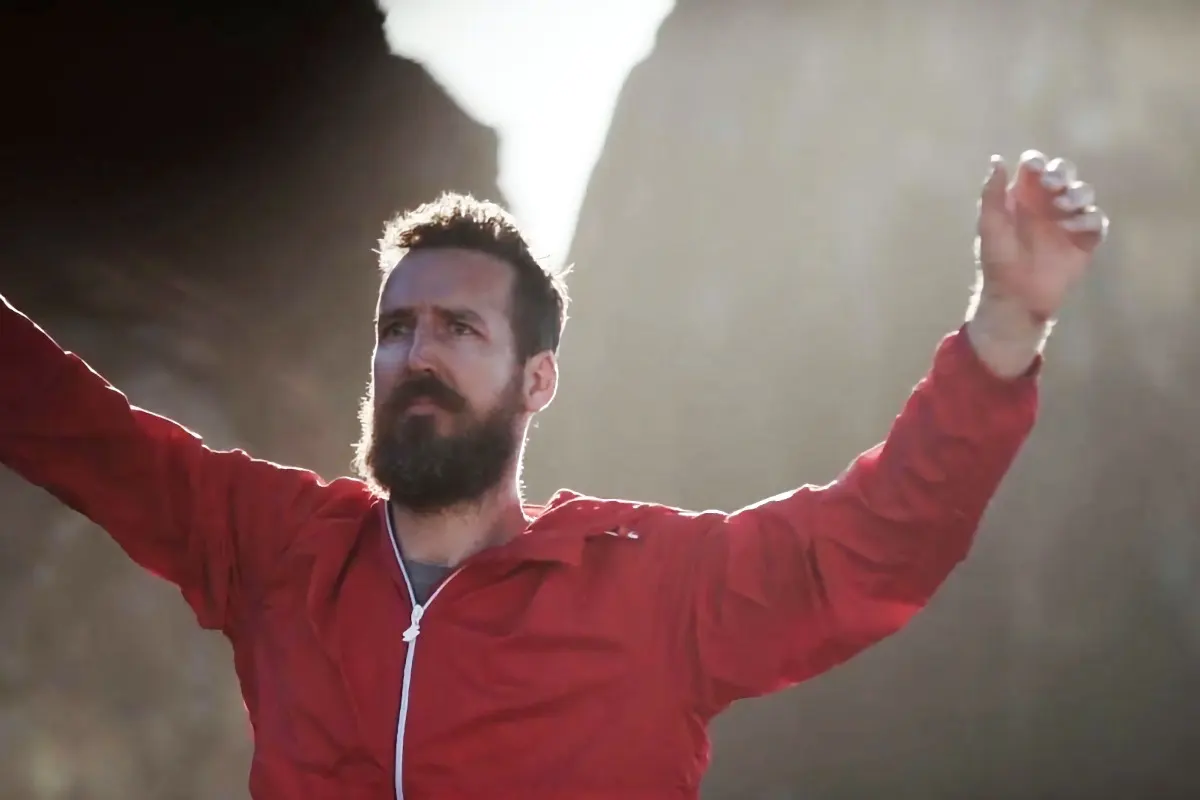





Meaning and Origin of Shamanism The word "shaman" comes from the Manchu-Tungus word šaman in Siberia, which means "one who knows" or an agitated/frenzied person. It has a history spanning thousands of years and originated largely in hunting-and-gathering cultures. It is closely linked with animism, the belief that natural objects, places, and creatures all possess a distinct spiritual essence. Core Beliefs and Roles - Trance and Travel: Shamans use rhythmic drumming, chanting, dancing, or singing to induce a trance, believing their soul leaves the body to travel through spiritual realms. Healing: Communities look to shamans to diagnose and cure illnesses, which are often thought to be caused by a wandering soul or spiritual intrusion. Guiding Souls: Shamans act as intermediaries who can escort the souls of the dead to the otherworld. Divination: They are often asked to predict weather, find lost animals, or forecast the success of a hunt.
Personal Growth and Healing Energy Work: Transformed shamans work with unseen energetic patterns to remove disharmony and restore spiritual balance to individuals and communities. Altruistic Focus: Traditional shamanic methods can also be applied to personal growth, helping regular individuals reduce fear, find life satisfaction, and develop a deeper connection to nature.
Join a circle to connect with others and share your ideas.